Talking about pregnancy and birth
A pregnancy in the family – or when an important person in your child’s life like their teacher is pregnant – can be a time when there are many questions and opportunities for talking and learning together. In the section of The Chat called Questions Children and Young People Ask you will find some suggestions as to how to answer these questions:
- How did the baby get in your tummy? Where did I come from?
- Does the baby grow in your tummy?
- How does the baby get born? Does it hurt?
In this Talking About topic, we go beyond those initial answers to these questions, to think about the conversations we can have that help our child understand more about the importance of pregnancy for mother and child, and about how a baby is born. There are other Talking About topics for 6, 7 and 8 year-olds that you might be interested in: How Human Life Begins and Looking After a Baby.
Talking about pregnancy and being born
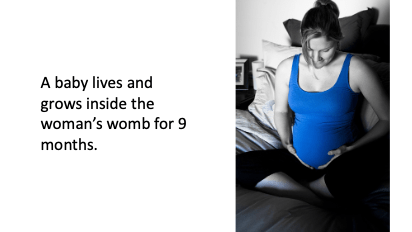
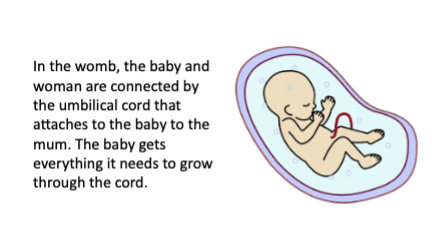
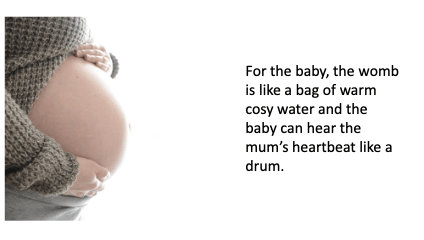
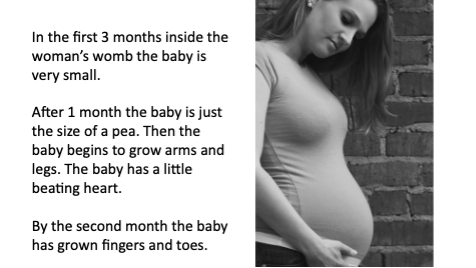
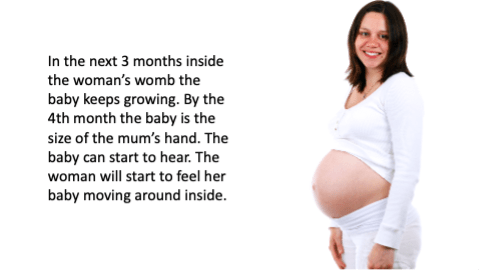
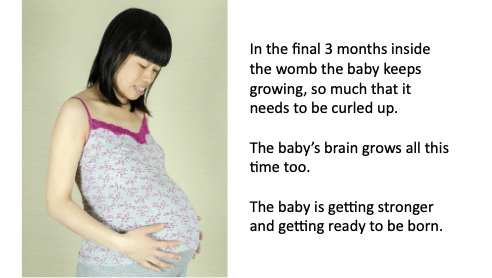
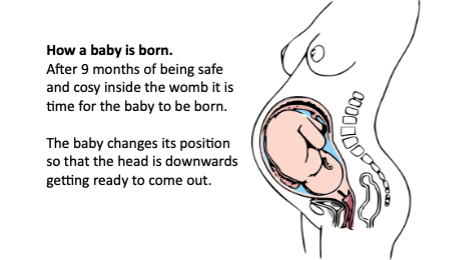
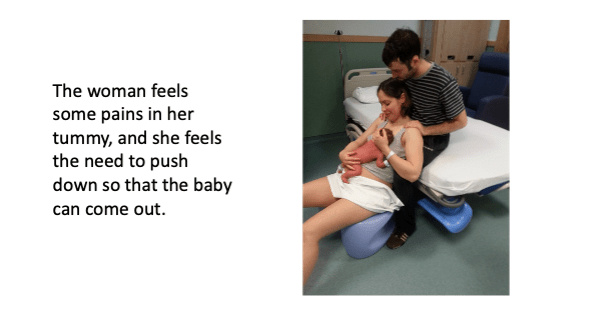
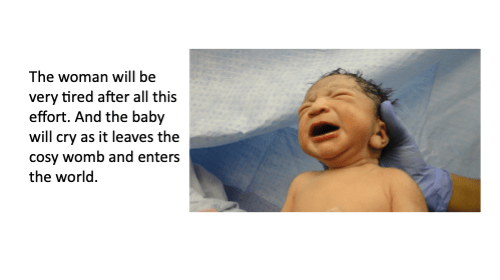
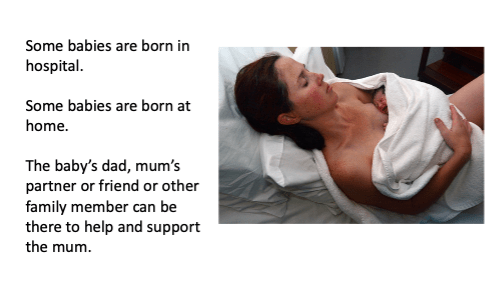
When you talk about pregnancy you can share the main points as follows. We have provided some pictures here to go with the words you can use.You can go back to the pictures and text again and tell the story of pregnancy and being born. As always, there are book suggestions later.



Books
You might like to read these books together. Your library might have them, or you can ask them if they will order a book for you.
9 Months: A month-by-month guide to pregnancy for the family to share
Courtney Adamo
ISBN 978-1847808172
This book follows a pregnancy. A fun and informative way to prepare your child for the arrival of their new baby brother or sister.
Let’s Talk About Where Babies Come From: A Book about Eggs, Sperm, Birth, Babies, and Families
Robie H. Harris
ISBN 978-1406357868
This information book about sex and reproduction covers all the main areas: babies, reproduction, bodies, chromosomes, genes, growing up, love, health and lots more. The information is imparted simply with humorous commentary from an inquisitive bird and a squeamish bee and full-colour cartoon-strip illustrations.
It’s Not the Stork! A Book About Girls, Boys, Babies, Bodies, Families and Friends
Robbie Harris
ISBN 9780763633318
Helps answer questions children ask about how they began.
The Science of Babies: A Little Book for Big Questions About Bodies, Birth and Families
Deborah Roffman
ISBN 978-0995340015
Recommended for the younger child/5- 6-year-olds: Answers questions like: Where did I come from? How did I get out of there? How did I get in there in the first place? For young children, these are simply questions about science.